FREE SHIPPING ON ORDERS OVER £70

A Runner’s Definitive Guide: Compression vs. Split Shorts – When to Wear Which


Introduction
Are you tired of chafing, discomfort, or choosing the wrong running shorts that sabotage your performance?
Whether you’re pounding the pavement for a personal best or cruising through a recovery jog, the gear you wear directly affects how you feel and how far you go. One of the most underestimated choices. Your running shorts. With so many styles on the market, especially the ever-popular compression and split shorts, it’s easy to feel overwhelmed.
The truth is, the right pair of shorts can be the difference between a frustrating, uncomfortable slog and a smooth, energized run. So how do you decide what works best for you?
In this guide, we’ll break down the key differences between compression and split shorts, explain when to wear each type, and offer expert tips to help you choose based on your running style, goals, and body type. By the end, you’ll have a clear answer to one of the most common questions among runners and the confidence to hit the road in total comfort.
Understanding the Essentials: Compression vs. Split Shorts
What Are Compression Shorts?
Compression shorts are snug, form-fitting garments designed to hug your body like a second skin. Unlike traditional loose-fitting shorts, they don’t flap or shift while you run, offering a locked-in feel that many runners swear by for both comfort and performance.
What They’re Made Of
Compression shorts are typically crafted from a blend of spandex (or elastane) and nylon or polyester. This combination allows for a high degree of stretch and recovery, which means the fabric moves with you and returns to shape without sagging over time. The result? A smooth, supportive fit that feels light but firm against your muscles.
Performance Benefits
The popularity of compression shorts isn’t just about aesthetics or personal preference. Here’s what science and experience suggest they offer:
- Muscle Support & Stability
Compression gear helps reduce unnecessary muscle movement. This added support may delay fatigue during longer runs by helping muscles work more efficiently. - Reduced Muscle Vibration
Studies, such as those published in the Journal of Sports Sciences, suggest that compression can decrease muscle oscillation during exercise, which may reduce muscle soreness post-run. - Improved Blood Circulation
Research in the International Journal of Sports Physiology and Performance indicates that compression wear may aid in venous return, helping oxygenated blood reach your muscles faster and promoting quicker recovery. - Chafing Prevention
Because compression shorts eliminate skin-on-skin contact, they can be a lifesaver for runners prone to chafing, especially on longer runs or in humid conditions.
While individual results may vary, many runners find compression shorts help them feel more supported, less sore, and better protected from friction-related discomfort especially during speed workouts, races, or recovery days.
What are Split Running Shorts?
Split shorts are a classic staple among distance runners and racers, prized for their minimalist design and performance-oriented features. Unlike compression shorts, split shorts have a loose-fitting outer shell with a distinctive slit or “split” up the side of each leg—which is where they get their name.
Key Features and Design
- Short Inseam
Split shorts are typically very short, with inseams ranging from 1 to 3 inches. This short length reduces fabric interference and enhances airflow, making them ideal for runners who value speed and efficiency. - Unrestricted Movement
The defining side split allows for maximum freedom of movement, especially through the hip flexors and thighs. This design is tailored for a natural, unrestricted stride—perfect for race day or fast-paced training runs. - Lightweight & Breathable
Most split shorts are made from ultra-light materials like polyester or nylon, which are excellent at wicking away sweat and drying quickly. They’re built for performance in hot, humid conditions or high-intensity sessions. - Built-in Liner
Nearly all split shorts come with an integrated liner, often in a brief or brief-style cut. This built-in support eliminates the need for separate underwear and helps prevent chafing, though the level of support and comfort can vary based on fit and brand.
Who They’re Best For
Split shorts are often favored by competitive runners, sprinters, and those who prioritize speed, agility, and ventilation. Their minimalist construction makes them ideal for race day, interval workouts, or any run where every ounce and inch of freedom counts.

Detailed Comparison: Benefits, Features, and Use Cases
Benefits of Each Type
- Compression Shorts Advantages:
-
- Muscle support and reduced vibration.
- Excellent chafing prevention, especially for inner thighs.
- It can provide a sense of security and support.
- Often have a sleek, minimalist look.
- Can be worn on their own or as a base layer.
- Compression Shorts Disadvantages:
-
- Can feel restrictive to some runners.
- Less airflow than split shorts, potentially hotter in extreme heat.
- May require careful sizing to get the right compression level.
- Split Shorts Advantages:
-
- Maximum range of motion and unrestricted stride.
- Extremely lightweight and breathable.
- Ideal for speed work and racing.
- Built-in liner provides convenience (often eliminates the need for underwear).
- Split Shorts Disadvantages:
-
- Offers no muscle support.
- Inner thighs may still be susceptible to chafing depending on fit and body type.
- Minimal coverage, which isn’t preferred by all runners.
- Limited pocket options on many models.
Key Features to Look For (Regardless of Type)
No matter which style you prefer, compression or spli,t certain features can dramatically enhance your comfort and performance. Here’s what to look for when choosing your next pair of running shorts.
Fabric Type Matters
Most quality running shorts are made from synthetic blends like polyester, nylon, and spandex/elastane. These materials are chosen for their stretch, durability, and moisture control key for performance and comfort.
Expert Tip: For long runs or humid conditions, prioritize moisture-wicking fabrics that efficiently draw sweat away from your skin. Wet fabric is one of the fastest paths to chafing and irritation.
Moisture Wicking & Breathability
It’s not just about sweat, it’s about how well the shorts handle it. Look for materials that pull moisture away from the skin and allow for proper airflow to help regulate temperature.
Compression shorts often offer great wicking but slightly less airflow, while split shorts usually shine in breathability due to their loose design and thinner fabric.
Seams: The Hidden Detail That Matters
Seams can make or break your run. Poorly placed or raised seams can rub your skin raw over time, especially on long-distance efforts.
- Flatlock Seams: These lay flat against your skin and reduce friction a must-have for distance runners.
- Raised or Bulky Seams: May increase the risk of chafing, especially in high-sweat areas.
Expert Tip: If you’re logging miles, flat seams and minimal stitching are your best friends.
Liners: Know What’s Inside
- Split Shorts Usually feature a built-in liner, either a brief or brief-style mesh that provides light support and helps reduce friction. The quality and fit of this liner can vary significantly, so it’s worth testing how it feels on a trial run.
- Compression Shorts: Generally designed to be worn without underwear. Their snug fit and supportive structure eliminate the need for a liner, and wearing one underneath can actually cause chafing.
Expert Tip: Don’t double up. Know your shorts if there’s a liner, skip the underwear. If you’re in compression gear, that is your base layer.
Waistbands: The Unsung Hero of Fit
An overlooked feature, but critical for comfort. A good waistband will:
- Stay in place during runs (no riding up or slipping).
- Be adjustable, often with an internal drawstring for a customized fit.
- Sit comfortably against the skin not too tight, not too loose.
Audience Pain Point: If you’re constantly adjusting your waistband mid-run, it’s time for a new pair. Look for a waistband that offers comfort and security, especially during high-movement runs.
Pockets: Storage Without the Bounce
Whether you’re carrying gels, keys, or cards, pocket placement and design are crucial.
- Back zippered pockets are great for keys or valuables.
- Side stash pockets (especially in compression shorts) can hold gels or a phone securely.
- Internal key pockets are a minimalist option, but often too small for larger items.
Expert Tip: Ask yourself: Can I store my essentials securely, without bouncing or bulging? A well-placed zip or stretch pocket can make your run smoother and more hands-free.

Compression vs. Split Shorts Comparison Table
| Feature | Compression Shorts | Split Shorts | Best Use Case |
| Fit | Snug, body-hugging | Loose shell with split leg | Compression: Support, chafing prevention Split: Freedom of movement |
| Range of Motion | Good, but may feel restrictive if too tight | Maximum, unrestricted stride | Split: Speed work, racing Compression: General training |
| Muscle Support | High supports and stabilizes muscles | Minimal to none | Compression: Recovery, reduced vibration Split: N/A |
| Chafing Prevention | Excellent eliminates skin-on-skin friction | Moderate depends on liner quality and fit | Compression: Long runs, high-friction zones Split: Shorter runs |
| Breathability | Moderate less airflow due to a tight fit | Excellent max airflow from loose design | Split: Hot, humid conditions Compression: Cooler temps or shorter runs |
| Typical Inseam Length | 3″ to 9″+ (brand and style dependent) | 1″ to 3″ (standard for racing/training models) | Compression: More coverage and support Split: Less restriction |
| Built-in Liner | Rarely worn without underwear | Common brief or brief-style liner included | Split: Convenience and support Compression: Based on preference |
| Pocket Availability | Often includes side or rear zip pockets (esp. longer styles) | Limited usually a small key pocket or minimal rear zip | Compression: For carrying gels, keys, phone Split: Minimalist runs |
This table offers runners a quick-reference guide to help them choose the right shorts for specific run types and personal needs.
When to Wear Which Type
Run Distance
- Long Runs & Marathons
Compression shorts are often preferred for their chafing prevention and muscle support during extended miles. Their snug fit minimizes skin friction, reducing irritation over time.
Expert Tip: For long runs, pick shorts with minimal, flat seams and moisture-wicking fabrics to keep sweat off your skin and avoid chafing.
Product Recommendation: Consider using anti-chafing balms or sticks alongside either type of shorts for extra protection.
- Short Runs & Speed Work
Split shorts excel here by providing maximum freedom of movement and ventilation key for sprints and high-intensity intervals.
Run Intensity
- Hard Efforts & Races
Choose split shorts to maximize your stride and minimize restrictions when every second counts. - Recovery Runs
Compression shorts may help improve circulation and aid muscle recovery, making them a smart choice for easy or recovery days.
Run Type
- Track & Road Running
Both work well, but split shorts remain the classic choice for speed-focused workouts and racing due to their lightweight, minimal design. - Trail Running
Compression shorts provide some protection against brush and debris due to their tighter fit. If you prefer split shorts, opt for styles with a slightly longer inseam and made from durable, abrasion-resistant fabric.
Expert Tip: Trail runs require shorts that balance breathability with durability look for reinforced seams and materials designed to resist snags.
Weather Considerations
- Hot & Humid Conditions
Split shorts provide superior airflow, helping you stay cool and dry. Choose lightweight fabrics and minimal liners to maximize breathability.
Expert Tip: On scorching days, lighter, well-ventilated split shorts can make a huge difference.
- Cooler Weather
Compression shorts offer a slight warming layer and can be layered under other shorts or tights for extra insulation.
Expert Tip: Use compression shorts during cooler runs or as a supportive base layer beneath other gear.
Personal Preference
Ultimately, comfort is king. Some runners feel faster and freer in split shorts, while others appreciate the secure, supported feel of compression. Consider rotating both types throughout your training week for varied benefits.
Differentiation Opportunity: Imagine a “Day in the Life” runner who uses compression shorts for recovery and long runs, then switches to split shorts for tempo and race days, demonstrating practical versatility.
Finding the Right Fit: Compression Shorts
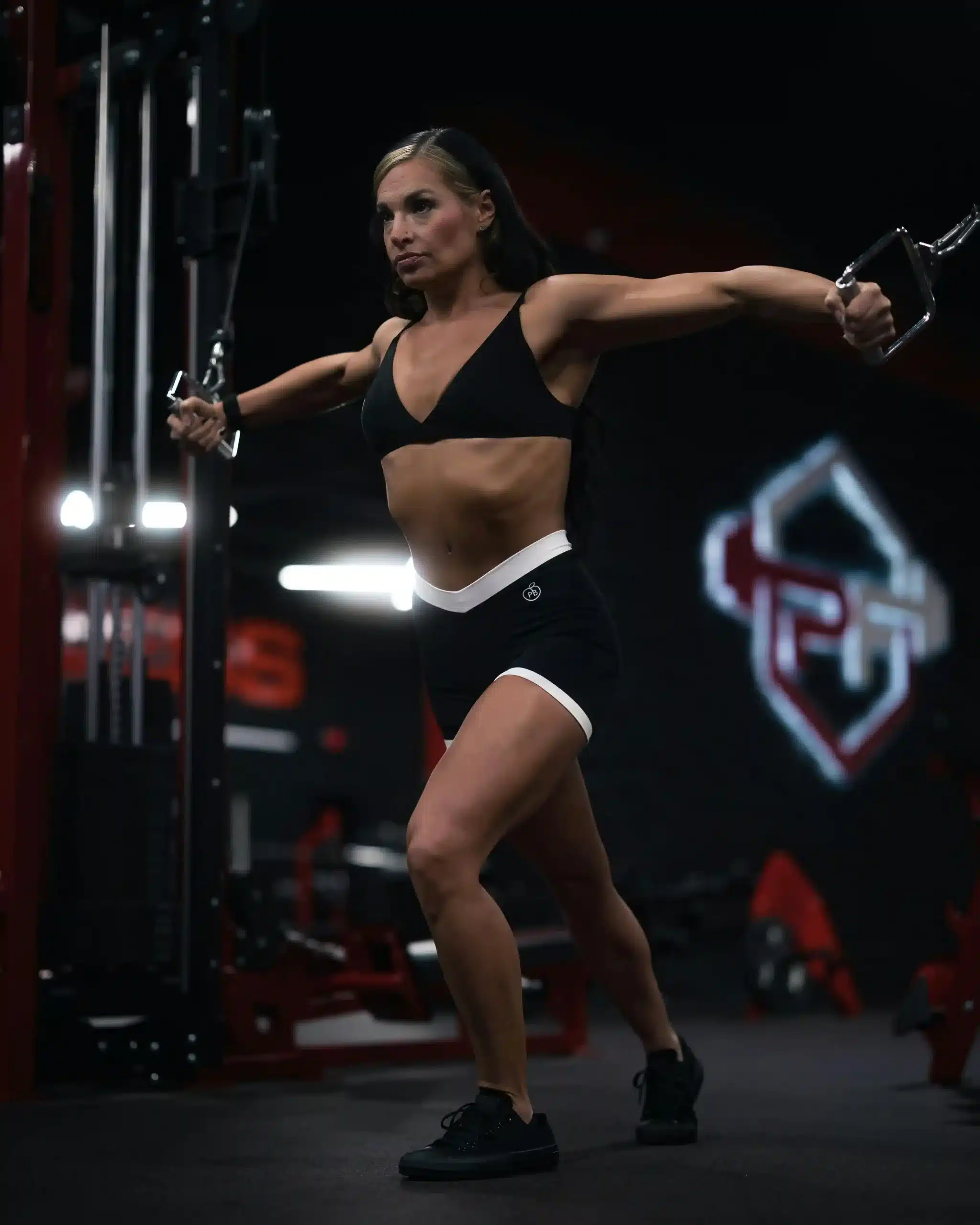
Getting the perfect fit with compression shorts is crucial to unlocking their full benefits support, chafing prevention, and muscle stability without discomfort or distraction.
- Compression shorts should feel snug, like a second skin, providing firm support but never painfully tight or restrictive. The goal is to enhance muscle function, not hinder movement.
- The waistband should lie flat and smooth against your skin without digging in, pinching, or causing irritation, even during longer runs.
- Leg openings need to stay in place and not ride up significantly, preventing annoying adjustments mid-run.
- Avoid any shorts that restrict your natural running motion or cause discomfort, especially around sensitive areas like the groin or thighs.
Audience Pain Point: Many runners struggle to find compression shorts that deliver adequate support without feeling like a painful squeeze or causing circulation issues. Prioritize brands and cuts known for a balance between compression and comfort.
Split Shorts Fit
The right fit in split shorts means freedom of movement combined with secure comfort key for fast, unrestricted running.
- The waistband should feel secure but comfortable, staying put without slipping or digging in during your run.
- The loose outer shell must allow a full range of motion without pulling, bunching, or snagging on your legs.
- The defining feature the side split should enable the fabric to move freely alongside your thigh, enhancing your stride without restriction.
- The built-in liner should provide light support without feeling tight or constrictive, reducing friction while keeping you comfortable.
Audience Pain Point: It’s frustrating when shorts ride up or fall down mid-run, disrupting your focus. Look for adjustable waistbands, drawstrings, or elastic hems designed to keep your shorts firmly in place.
General Fit Tips
- Always try on shorts and mimic running motions high knees, leg swings, squats to test comfort and flexibility.
- Consider your body type: runners with muscular thighs might prefer longer inseams or more flexible fabrics, while those with slimmer legs may want shorter cuts.
Expert Tip: Fit is deeply personal. What feels perfect for one runner might not work for another invest time in trial and error.
Unique Element: Runner’s Anatomy & Fit Visuals
To help you make confident choices about running shorts, visual guides can be invaluable. Consider including diagrams or graphics that illustrate:
- How Compression Shorts Fit Key Muscle Groups
Visualize how compression shorts snugly wrap around your quads, hamstrings, and glutes, providing targeted support and reducing muscle vibration. - Movement Enabled by Split Shorts’ Side Slits
Show how the characteristic side splits allow the fabric to move freely with your thigh, maximizing stride length and minimizing restriction. - Suggested Inseam Lengths by Body Type and Running Style
Offer guidance on inseam choices tailored to different builds for example, longer inseams for muscular legs to prevent chafing, or shorter cuts for runners who prioritize maximum freedom of movement.
This visual approach makes it easier to understand how each short type works with your body and running mechanics, helping you select the best fit for your unique needs.
Addressing Specific Runner Concerns
Layering: Compression Under Split?
- Address the common question: Is it necessary or beneficial?
- When it might be beneficial:
-
- Added warmth in cooler weather.
- Combining the support of compression with the shell/pockets of split shorts (especially 2-in-1s).
- When it might be unnecessary or even detrimental:
-
- In hot weather (can be too warm).
- If the outer split shorts are too tight, they can negate the compression benefits. Expert Tip: If layering, ensure the outer split shorts are loose enough to not negate the compression benefits underneath.
- Often redundant if the split shorts have a comfortable liner.
- Discuss 2-in-1 shorts as an option that combines these elements. Product Recommendation: 2-in-1 Running Shorts.
Care and Maintenance: Extending the Life of Your Running Shorts
Proper care is essential to keep your running shorts performing at their best and lasting through countless miles. Following the right washing and drying routines helps preserve the fabric’s technical properties, including moisture-wicking and compression.
Washing Instructions
- Use cold water and a gentle cycle to prevent damage and fabric wear.
- Opt for a mild detergent specifically designed for athletic wear; avoid fabric softeners and bleach, which can clog technical fabrics and reduce breathability.
Product Recommendation: Consider using an athletic laundry detergent formulated to protect performance fabrics.
- Always wash your shorts with like colors to prevent color transfer or fading.
Drying Instructions
- Air drying is best, especially for compression shorts, to maintain their elasticity and fit over time.
- Avoid high heat settings in the dryer, which can break down fabric fibers and degrade compression properties.
Expert Tips
- Follow the care label instructions carefully to preserve fabric integrity and compression benefits.
- Rotate your running shorts regularly to give each pair adequate time to dry and recover, which helps extend their lifespan and performance.
Audience Pain Point: Many runners struggle to find shorts durable enough to withstand frequent washing and intense workouts. Proper care can make all the difference, ensuring your shorts stay supportive, breathable, and comfortable mile after mile.
Making Your Decision: Putting It All Together
Choosing between compression and split running shorts ultimately comes down to your unique running style, comfort needs, and goals. Here’s a quick recap to help guide your choice:
- Compression shorts offer muscle support, excellent chafing prevention, and a snug fit ideal for long runs, recovery days, and cooler weather.
- Split shorts provide maximum freedom of movement, superior breathability, and a lightweight feel perfect for speed work, racing, and hot conditions.
Think About Your Runs
Reflect on your most common running scenarios:
- What distances do you run most often?
- Do you prefer a tighter, supportive fit or a loose, unrestricted feel?
- Are you prone to chafing, or do you prioritize breathability above all else?
- What weather conditions do you typically run in?
Unique Content Element: Interactive Quiz
To simplify the decision, try this quick quiz:
“What Running Short is Right for You?”
Answer a few questions about your running distance, terrain, intensity, and comfort preferences to get a personalized recommendation between compression and split shorts.
Trusting Your Experience
At the end of the day, personal comfort and performance are your best guides. No matter the hype, the right shorts are the ones you feel great running in.
Expert Tip: Don’t assume a higher price tag means better performance. Focus on fit, fabric quality, and features that matter most for your runs.
Real Runner Voices
Here’s what fellow runners say about our favorite active split shorts:
“Compression shorts saved me from chafing on my first marathon and gave me great support during recovery runs.” – Alex M., marathoner
“I love how split shorts let me move freely during sprints and tempo runs. They’re lightweight and breathable, exactly what I need for summer training.” – Jenna K., track athlete.
At Free Parking Scouts, we often hear similar stories from passionate runners who value performance, comfort, and reliability in their gear.
Including real experiences like these helps build trust and shows there’s no one-size-fits-all answer—just what works best for you.
Including real experiences like these helps build trust and shows there’s no one-size-fits-all answer just what works best for you.
Conclusion
Compression shorts or split shorts which is best? The answer depends on you.
- Compression shorts shine when you need muscle support, reduced chafing, or added warmth for longer or recovery runs.
- Split shorts dominate in speed, freedom, and breathability ideal for racing, hot weather, and short, high-intensity workouts.
Each style brings unique benefits, and the best choice ultimately comes down to your body, your run, and your preferences. Don’t be afraid to try both styles and even rotate them based on your training schedule and weather conditions.
How We Evaluated Each Short Type
Throughout this guide, we compared compression and split shorts using key criteria that matter most to runners:
- Fit – How the shorts move with your body and stay in place
- Fabric – Breathability, stretch, moisture-wicking properties
- Seam Construction – Flatlock vs. raised seams and their effect on chafing
- Liner Design – Support and comfort without added layers
- Pocket Utility – Practical storage options for keys, gels, or phones
- Durability – How well the shorts withstand repeated use and washing
These standards helped ensure an objective, thorough comparison based on real runner needs not just brand claims.
About the Author
A Horiday Biswas runner and gear reviewer with over 5 years of running experience, including road racing, trail runs, and half marathons wrote this guide. With a background in sports content writing and hands-on testing of running apparel, their goal is to deliver actionable, honest advice that helps runners of all levels find gear that fits their goals, body, and lifestyle.
Whether you’re pounding the pavement in pursuit of a PR or cruising through your weekend long run, the right pair of shorts can make every stride feel better. Try different fits, listen to your body, and gear up for your best run yet.