FREE SHIPPING ON ORDERS OVER £70


Filter by prices
Top rated products
-
 Men's Performance Compression Shorts Support & Recovery
Rated 5.00 out of 5£50.00
Men's Performance Compression Shorts Support & Recovery
Rated 5.00 out of 5£50.00 -
 Active Split Shorts
Rated 5.00 out of 5£45.00
Active Split Shorts
Rated 5.00 out of 5£45.00 -
 Men's Back & Shoulder Ultra Compression Top T20
Rated 4.93 out of 5£95.00
Men's Back & Shoulder Ultra Compression Top T20
Rated 4.93 out of 5£95.00
Showing all 7 results


Active Split Shorts
Rated 5.00 out of 5
⚡ Selling fast — 102 customers already bought this
£45.00


Ankle Taping Strap: Pain Relief & Injury Support
Best Mens Sportswear: Mastering Performance Wear in UK 2026, Best Womens Sportswear: Performance Wear for Every Activity in UK 2026
Rated 4.92 out of 5
⚡ Selling fast — 101 customers already bought this
£40.00


Calf Compression Sleeve C2 Recovery & Support for Athletes
Sleeves, Calf sleeves, Best Mens Sportswear: Mastering Performance Wear in UK 2026, Best Womens Sportswear: Performance Wear for Every Activity in UK 2026
Rated 4.92 out of 5
⚡ Selling fast — 105 customers already bought this
£50.00


Men’s Back & Shoulder Ultra Compression Top T20
Rated 4.93 out of 5
⚡ Selling fast — 101 customers already bought this
£95.00


Men’s Knee & Calf Kinetic Tape Compression Legging L20 (Double Knee Taping)
Rated 4.92 out of 5
⚡ Selling fast — 100 customers already bought this
£110.00
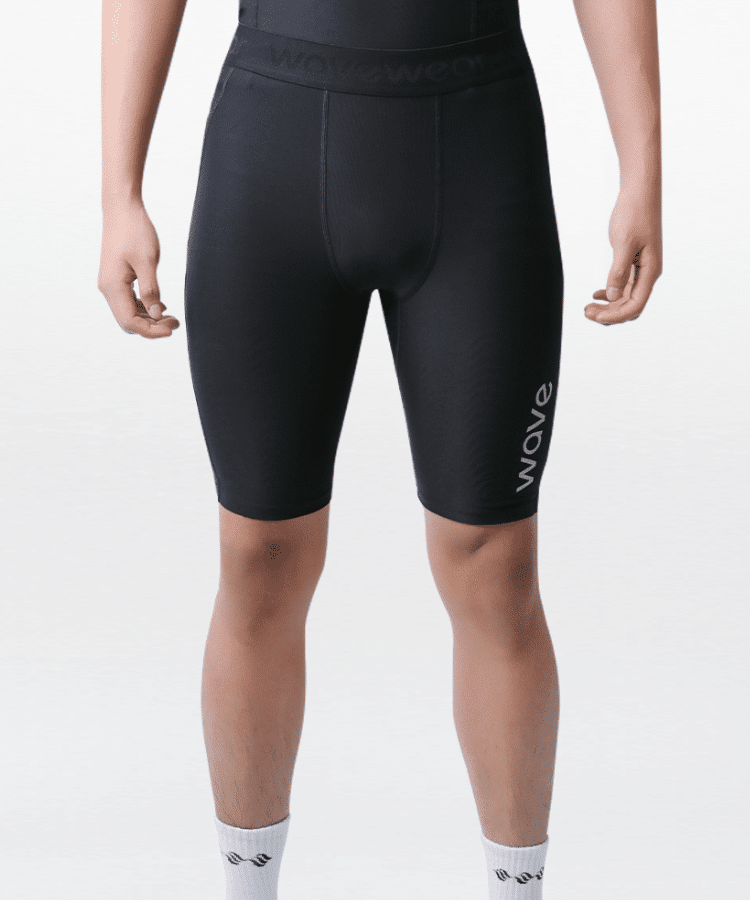

Men’s Performance Compression Shorts Support & Recovery
Rated 5.00 out of 5
⚡ Selling fast — 102 customers already bought this
£50.00


Perfomance Arm Compression Sleeve F1 Pair Unisex
Sleeves, Arm sleeves, Best Mens Sportswear: Mastering Performance Wear in UK 2026, Best Womens Sportswear: Performance Wear for Every Activity in UK 2026
Rated 4.82 out of 5
⚡ Selling fast — 100 customers already bought this
£60.00
Best Mens Sportswear: Mastering Performance Wear in UK 2026
Mens sportswear is a dynamic and evolving category of clothing that caters to the diverse needs of athletes, fitness enthusiasts, and casual wearers across the UK. At its core, sportswear encompasses garments designed for physical activity, offering comfort, flexibility, and durability to support a wide range of movements. Within this broad category, performance wear stands out as a specialized subset, meticulously engineered to enhance athletic performance through advanced materials, ergonomic designs, and innovative technologies. Whether you’re sprinting through a park in Birmingham, lifting weights in a Glasgow gym, or hiking the rugged trails of Snowdonia, performance wear is crafted to optimize your experience, support your body, and elevate your results.
Introduction to Mens Sportswear
The distinction between sportswear and performance wear lies in their purpose and design. General sportswear, such as basic t-shirts, shorts, or sweatpants, prioritizes comfort and versatility for casual workouts or leisure activities. Performance wear, however, is tailored for high-intensity sports and fitness routines, incorporating features like moisture-wicking fabrics, compression technology, thermoregulation, and anti-odor treatments. These attributes address the specific physiological and environmental challenges athletes face, such as sweat management, muscle fatigue, and temperature fluctuations. For example, a runner benefits from lightweight, breathable tops that keep them dry during long distances, while a weightlifter relies on compression gear to support muscles during heavy lifts.
In the UK, the popularity of mens sportswear has surged due to a growing fitness culture, with millions participating in activities like running, cycling, football, and yoga. The rise of athleisure; a trend where sportswear doubles as casual clothing, has further blurred the lines between athletic and everyday wear. Men now wear performance-inspired joggers, hoodies, and sneakers not only for workouts but also for commuting, socializing, or working from home. This versatility reflects the UK’s dynamic lifestyle, where practicality and style converge.
| Aspect | Sportswear | Performance Wear |
| Purpose | General athletic or casual use | Optimized for high-intensity athletic performance |
| Features | Comfort, flexibility, basic durability | Moisture-wicking, compression, thermoregulation, anti-odor |
| Common Uses | Casual workouts, leisure, daily wear | Competitive sports, intense training, specialized activities |
| Examples | Cotton tees, basic shorts, sweatpants | Compression leggings, ventilated running tops, cushioned shoes |
Expert Tip: "For high-intensity activities like marathon running or CrossFit, opt for performance wear with specialized features like compression or moisture-wicking to maximize comfort and results. For casual walks or light exercise, standard sportswear offers sufficient functionality."
Types of Mens Sportswear
Mens sportswear is a diverse category, encompassing various types designed for specific activities, environments, and lifestyles. Understanding these types is essential for selecting gear that aligns with your fitness goals and daily needs. Below, we explore the primary categories of men’s sportswear, emphasizing the unique role of performance wear.
- Activewear: Activewear is designed for general physical activities, such as casual workouts, walking, or recreational sports. It includes items like t-shirts, shorts, sweatpants, and hoodies, typically made from breathable, flexible materials like cotton blends or polyester. Activewear prioritizes comfort and versatility, making it suitable for light exercise or leisure. For example, a cotton-blend t-shirt is ideal for a casual gym session or a weekend hike, offering sufficient flexibility without specialized features.
- Performance Wear: Performance wear is engineered for high-intensity sports and fitness routines, incorporating advanced technologies to enhance athletic output. Key features include moisture-wicking fabrics to keep athletes dry, compression layers to support muscles, and thermoregulating materials to maintain comfort in varying conditions. Examples include compression leggings for weightlifting, ventilated running tops for marathons, and cushioned shoes for shock absorption. Performance wear is the go-to choice for competitive athletes or those engaging in demanding workouts.
- Athleisure: Athleisure bridges the gap between athletic and casual wear, combining functionality with style. Popular items include joggers, hoodies, and sleek sneakers that transition seamlessly from the gym to social settings. Athleisure often features performance-inspired elements, like stretchy fabrics or moisture-wicking properties, but emphasizes aesthetics with trendy designs, bold colors, or minimalist patterns. In the UK, athleisure is particularly popular in urban areas, where men wear performance joggers to work or social events.
- Outdoor Sportswear: Designed for rugged environments, outdoor sportswear prioritizes durability and weather resistance. This category includes waterproof jackets, thermal base layers, and high-traction shoes for activities like hiking, trail running, or cycling. Materials like Gore-Tex or insulated fleece ensure protection against rain, wind, or cold, making outdoor sportswear essential for the UK’s variable climate, from coastal storms to mountainous terrains.
Each type serves distinct purposes, and performance wear stands out for its ability to meet the demands of intense physical activity. For example, a cyclist might choose padded shorts and aerodynamic jerseys for performance, while a casual walker opts for comfortable activewear. By understanding these categories, UK consumers can select gear that enhances their performance and fits their lifestyle.
| Type | Purpose | Key Features |
| Activewear | General workouts, leisure | Breathable, flexible, comfortable |
| Performance Wear | High-intensity sports | Moisture-wicking, compression, thermoregulation |
| Athleisure | Casual and athletic use | Stylish, versatile, performance-inspired |
| Outdoor Sportswear | Outdoor activities | Weather-resistant, durable, insulated |
Expert Tip: "Choose performance wear for intense activities like running or weightlifting to benefit from specialized features, while athleisure is perfect for blending style and function in daily life."
Benefits of Performance Wear
Performance wear is defined by its advanced features, which address the specific needs of athletes during high-intensity activities. These features enhance comfort, support, and efficiency, making performance wear indispensable for serious fitness enthusiasts. Below, we explore the core characteristics that set performance wear apart.
- Moisture-Wicking: Sweat management is critical during intense workouts. Moisture-wicking fabrics, typically polyester or synthetic blends, draw sweat away from the skin to the garment’s surface, where it evaporates quickly. This keeps athletes dry, reduces chafing, and prevents discomfort during prolonged activities like running or cycling. Some garments incorporate micro-channels or mesh panels to enhance airflow, further improving breathability.
- Compression: Compression gear applies gentle pressure to muscles and joints, improving blood circulation and reducing lactic acid buildup. This minimizes muscle fatigue, supports recovery, and reduces the risk of strains during explosive movements, such as sprinting or heavy lifting. Graduated compression, tighter at the extremities, optimizes circulation for enhanced performance.
- Thermoregulation: Performance wear often includes materials that regulate body temperature, ensuring comfort in diverse conditions. In hot weather, breathable fabrics and ventilation zones keep athletes cool, while in cold weather, thermal linings or fleece layers provide insulation without adding bulk. Phase-change materials, which absorb and release heat, maintain an optimal microclimate.
- Durability: Designed for rigorous use, performance wear uses reinforced stitching, abrasion-resistant fabrics, and high-quality zippers to withstand frequent washing and intense activity. This ensures longevity, even for athletes training daily in demanding environments like muddy trails or sweaty gyms.
- Ergonomic Design: Features like articulated seams, stretch panels, and strategic padding align with the body’s natural movements, reducing restriction and enhancing mobility. For example, running shorts with stretchy side panels allow for a full stride, while padded cycling shorts reduce saddle discomfort.
These features work together to create gear that supports athletes in achieving peak performance, particularly in the UK’s varied climates, where rain, wind, and temperature shifts are common.
| Feature | Benefit | Example Use Case |
| Moisture-Wicking | Keeps skin dry, reduces chafing | Long-distance running, cycling |
| Compression | Enhances circulation, reduces fatigue | Weightlifting, sprinting |
| Thermoregulation | Maintains comfort in varying conditions | Outdoor sports in cold or hot weather |
| Durability | Withstands frequent use | High-intensity training, outdoor activities |
| Ergonomic Design | Improves mobility, reduces restriction | Yoga, team sports |
Expert Tip: "Prioritize moisture-wicking fabrics with ventilation zones for cardio-intensive sports like running to stay dry and comfortable during long sessions."
Fabrics and Materials in Performance Wear
The effectiveness of performance wear hinges on its materials, which are engineered to balance comfort, durability, functionality, and sustainability. Each fabric offers unique properties, catering to specific athletic needs and environmental conditions. Below, we explore the primary materials used in mens performance wear.
- Polyester: A cornerstone of performance wear, polyester is lightweight, durable, and naturally moisture-wicking. Its ability to dry quickly makes it ideal for high-sweat activities like running, cycling, or HIIT workouts. Polyester blends often incorporate stretch fibers for added flexibility, ensuring a comfortable fit during dynamic movements.
- Spandex (Elastane): Known for its exceptional elasticity, spandex provides a snug, form-fitting feel that supports a full range of motion. It’s commonly used in compression gear, yoga leggings, and cycling shorts, where flexibility is paramount. Spandex blends with polyester or nylon enhance durability while maintaining stretch.
- Nylon: Renowned for its strength and abrasion resistance, nylon is ideal for outdoor sportswear, such as hiking jackets or trail running shoes. Its lightweight nature ensures comfort, while its durability withstands rugged terrains and frequent use. Nylon is often blended with other fabrics to enhance performance.
- Recycled Polyester: Made from plastic bottles, textile waste, or fishing nets, recycled polyester offers the same moisture-wicking and durability as virgin polyester but with a lower environmental impact. It’s a popular choice for eco-conscious athletes seeking sustainable performance wear.
- Bamboo: A natural, eco-friendly option, bamboo fabric is soft, breathable, and naturally antibacterial, reducing odor during light workouts or athleisure wear. Its sustainability and hypoallergenic properties make it ideal for sensitive skin.
- Merino Wool: Prized for its thermoregulating and odor-resistant properties, merino wool is used in base layers for cold-weather sports like skiing or hiking. It wicks moisture, insulates even when wet, and resists bacterial growth, ensuring freshness during extended activities.
- Gore-Tex and Similar Membranes: These waterproof and breathable materials are essential for outdoor sportswear, protecting against rain and wind while allowing sweat vapor to escape. They’re commonly used in jackets and shoes for hiking or trail running in the UK’s wet climates.
Manufacturers often blend these materials to combine their benefits. For example, a running top might combine polyester for moisture-wicking, spandex for stretch, and mesh panels for ventilation. In the UK, where athletes face diverse weather conditions, selecting the right fabric is crucial for performance and comfort.
| Material | Properties | Best For |
| Polyester | Moisture-wicking, durable, lightweight | Running, gym workouts, cycling |
| Spandex | Stretchy, form-fitting, flexible | Yoga, compression wear, cycling |
| Nylon | Strong, abrasion-resistant, lightweight | Outdoor sports, hiking |
| Recycled Polyester | Eco-friendly, durable, moisture-wicking | Sustainable performance wear |
| Bamboo | Soft, breathable, antibacterial | Light workouts, athleisure |
| Merino Wool | Thermoregulating, odor-resistant | Cold-weather sports, hiking |
| Gore-Tex | Waterproof, breathable | Outdoor sports in wet conditions |
Expert Tip: "Choose spandex-blended fabrics for activities requiring high flexibility, like yoga or Pilates, and opt for recycled polyester to support sustainability without compromising performance."
Performance Wear Technologies
The science behind performance wear lies in its advanced technologies, which address physiological and environmental challenges to enhance athletic performance. These innovations make performance wear a vital tool for athletes, from casual runners to competitive professionals. Below, we explore the key technologies shaping mens performance wear.
- Moisture-Wicking Technologies: These systems use specialized fibers, often polyester-based, to pull sweat away from the skin to the garment’s surface, where it evaporates quickly. Micro-channels or mesh panels enhance airflow, ensuring athletes stay dry and comfortable during high-sweat activities like marathon running or indoor cycling. Some fabrics incorporate hydrophobic coatings to repel moisture, further improving performance.
- Compression Technologies: Compression garments apply targeted pressure to muscles and joints, improving blood flow, reducing lactic acid buildup, and minimizing fatigue. Graduated compression, which is tighter at the extremities, optimizes circulation, making it ideal for sprinters, weightlifters, and endurance athletes. Compression socks, for example, support calf muscles and reduce swelling during long runs or flights.
- Smart Textiles: The integration of wearable technology is transforming performance wear. Smart textiles may include embedded sensors to monitor heart rate, muscle activity, or calories burned, syncing data to fitness apps for real-time feedback. These are particularly useful for data-driven athletes seeking to refine their training regimens.
- Anti-Odor Treatments: Antibacterial coatings or natural odor-resistant materials, like bamboo or merino wool, prevent bacterial growth, keeping garments fresh during multi-day activities like hiking or consecutive gym sessions. Some treatments use silver ions or plant-based compounds to inhibit odor-causing bacteria.
- Thermoregulating Technologies: Advanced fabrics adapt to temperature changes, keeping athletes cool in heat and warm in cold. Phase-change materials absorb, store, and release heat to maintain an optimal microclimate, ideal for the UK’s unpredictable weather. Ventilation zones and thermal linings further enhance comfort in diverse conditions.
- Reflective Elements: For safety during low-light conditions, performance wear often includes reflective strips or logos. These are critical for runners or cyclists training early in the morning or late at night, ensuring visibility on UK roads or trails.
These technologies are often combined to create versatile garments. For example, a running jacket might feature moisture-wicking liners, thermoregulating panels, and reflective elements, providing all-around performance for outdoor workouts.
| Technology | Function | Benefit |
| Moisture-Wicking | Evaporates sweat | Keeps athletes dry, reduces chafing |
| Compression | Supports muscles, improves circulation | Reduces fatigue, aids recovery |
| Smart Textiles | Tracks performance metrics | Provides real-time data |
| Anti-Odor | Inhibits bacterial growth | Maintains freshness |
| Thermoregulation | Adapts to temperature changes | Ensures comfort in varying conditions |
| Reflective Elements | Enhances visibility | Improves safety in low-light conditions |
Expert Tip: "Invest in performance wear with smart textiles to track metrics like heart rate, helping you optimize your training with data-driven insights."
Performance Wear for Specific Sports
Different sports demand tailored performance wear to address their unique physical and environmental challenges. Selecting the right gear enhances performance, safety, and comfort. Below, we explore performance wear for popular sports, focusing on functionality and design.
- Running: Runners require lightweight, breathable clothing to minimize drag and maximize airflow. Moisture-wicking tops and shorts prevent chafing during long distances, while cushioned shoes with responsive soles absorb impact and enhance propulsion. Reflective elements ensure visibility during early morning or evening runs, a necessity in the UK’s often overcast conditions. Compression socks support calf muscles and reduce swelling, improving endurance.
- Weightlifting: Compression shirts and shorts provide muscle support, reducing strain during heavy lifts. Durable fabrics withstand repetitive movements, and grippy shoes with flat soles ensure stability. Wrist wraps and lifting belts offer additional support for joints and the lower back, minimizing injury risk during intense sessions.
- Cycling: Cyclists benefit from padded shorts to reduce saddle discomfort and aerodynamic jerseys to cut wind resistance. High-traction shoes with stiff soles improve pedaling efficiency, while gloves and helmets enhance safety and grip. Moisture-wicking base layers keep cyclists dry during long rides, especially in humid UK summers.
- Team Sports (e.g., Football, Rugby): These sports require flexible jerseys and shorts that allow for dynamic movements like sprinting or tackling. Padded undershirts or shorts protect against impacts, while cleated shoes provide traction on grass or turf. Moisture-wicking fabrics ensure comfort during high-energy matches, and compression layers aid recovery post-game.
- Yoga/Pilates: Stretchy, form-fitting leggings and tank tops allow for a full range of motion during poses or stretches. Non-slip socks or mats enhance grip, while breathable fabrics keep practitioners cool during extended sessions. Seamless designs reduce irritation, ensuring comfort during low-impact but prolonged activities.
- Swimming: Performance swimwear, such as fitted briefs or jammers, reduces water resistance with hydrodynamic designs. Anti-slip grips on swim caps and goggles ensure secure fits, while UV-protective rash vests are ideal for outdoor swimming in coastal UK areas.
Each sport demands specific gear, and performance wear’s specialized features ensure athletes can perform at their best while staying comfortable and protected.
| Sport | Recommended Gear | Key Features |
| Running | Lightweight tops, running shoes, compression socks | Breathability, cushioning, muscle support |
| Weightlifting | Compression shirts, shorts, lifting belts | Muscle support, durability, stability |
| Cycling | Padded shorts, aerodynamic jerseys | Aerodynamics, padding, grip |
| Team Sports | Flexible jerseys, padded undershirts | Flexibility, impact resistance |
| Yoga/Pilates | Stretchy leggings, tank tops | Four-way stretch, breathability |
| Swimming | Fitted briefs, rash vests | Hydrodynamic design, UV protection |
Expert Tip: "Select sport-specific performance wear to optimize comfort and performance. For running, prioritize cushioned shoes and compression socks to reduce impact and fatigue."
Sizing and Fit in Performance Wear
The right fit is critical for performance wear, as it directly impacts mobility, comfort, and effectiveness. Ill-fitting gear can restrict movement, cause chafing, or fail to provide intended support. Below, we explore the importance of sizing and fit, with detailed guidance for choosing the perfect performance wear.
- Importance of Fit: Performance wear should be snug but not restrictive, allowing for a full range of motion. Compression gear, for instance, is designed to be tight to support muscles, while running tops may have a looser fit for breathability. A proper fit enhances functionality, prevents distractions, and boosts confidence. For example, a poorly fitted running shoe can cause blisters, while an overly loose shirt may snag during dynamic movements.
- Inclusive Sizing: Modern performance wear caters to diverse body types, offering extended sizes for tall, short, athletic, or plus-size individuals. Adjustable features, like elastic waistbands, drawstrings, or stretch panels, ensure a customized fit. In the UK, where body diversity is common, inclusive sizing is essential for accessibility.
- How to Measure: Accurate measurements of chest, waist, hips, and inseam are crucial for selecting the right size. Athletes should measure at rest, using a flexible tape measure, and consult size charts provided by manufacturers. For compression gear, measurements should account for the intended tight fit without causing discomfort. Footwear sizing requires attention to foot length, width, and arch type to ensure proper support.
- Gender-Neutral Options: Some performance wear is designed to be unisex, offering versatility for various body shapes. These garments often feature adjustable fits, such as stretchy waistbands or modular designs, to accommodate diverse preferences.
- Fit Types: Performance wear comes in various fits, including slim (snug, form-fitting), regular (balanced comfort), loose (relaxed, breathable), and compression (tight, supportive). Each fit serves specific purposes, from slim-fit running tops for aerodynamics to loose-fit hoodies for casual recovery.
In the UK, where athletes engage in diverse activities across varied climates, choosing the right fit ensures optimal performance and comfort, whether sprinting on a track or practicing yoga in a studio.
%
| Fit Type | Description | Best For |