FREE SHIPPING ON ORDERS OVER £70

Calf Compression Sleeves: Your Injury Recovery Guide

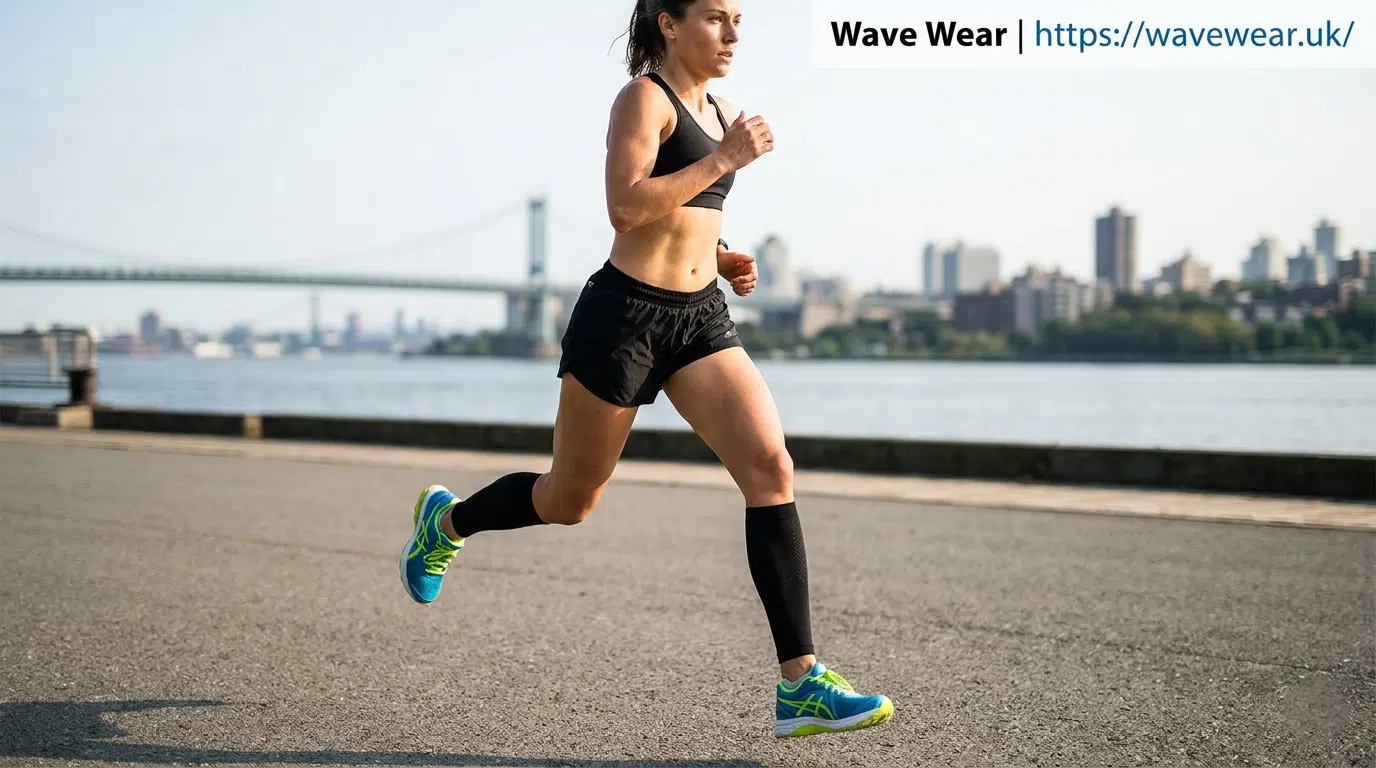
Calf compression sleeves are graduated-pressure garments worn from the ankle to just below the knee. They deliver between 15 and 30 mmHg of measurable mechanical pressure to support injury recovery, reduce swelling, and speed up post-exercise muscle repair.
They work by doing four specific things:
- Assisting venous blood return toward the heart against gravity.
- Limiting fluid accumulation and post-exercise swelling in the lower leg.
- Reducing soft tissue vibration that causes micro-damage during running and impact sports.
- Clearing lactic acid and metabolic waste from fatigued muscle tissue more efficiently.
Who uses calf compression sleeves in the UK:
- Runners, trail athletes, Hyrox competitors, and CrossFit participants.
- NHS healthcare workers and occupational professionals on long shifts.
- Long-haul travellers managing DVT risk.
- Individuals recovering from shin splints, calf strains, Achilles tendinopathy, and chronic lower leg fatigue.
When chosen correctly and worn at the right time, a graduated compression sleeve is one of the most versatile, evidence-backed recovery tools available to active people across the UK.
Why UK Athletes and Active People Are Turning to Calf Compression Sleeves
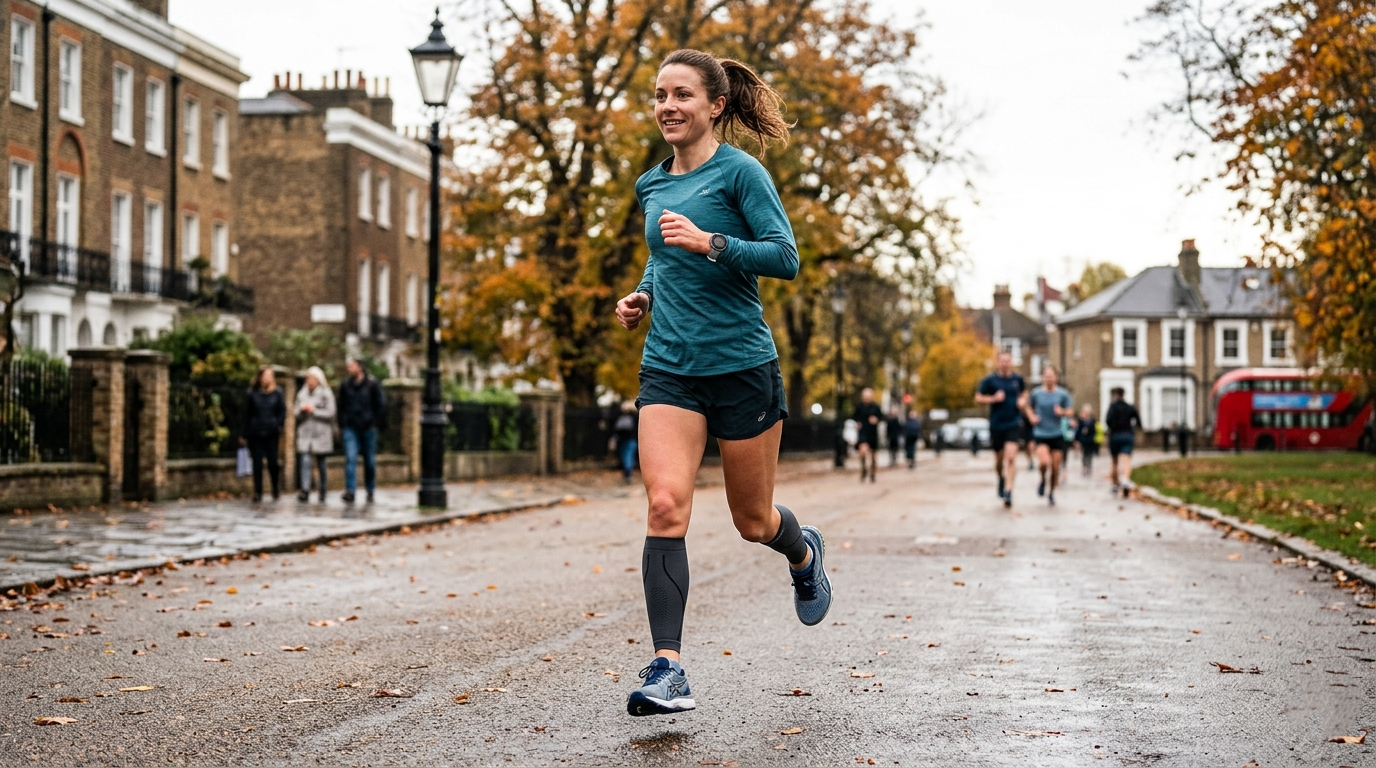
Picture this. You have just finished a parkrun on a grey Saturday morning in Leeds. Your calves feel tight, your shins are nagging, and by the time you get home, that familiar heavy, swollen ache has settled into your lower legs. You stretch, you rest, you foam roll – and by Tuesday you are back to the same cycle, hoping things will improve on their own.
Or perhaps you are an NHS nurse finishing a 12-hour shift. Your feet have barely left the ward floor since 7am. Your lower legs feel like they have been packed in concrete. You have tried compression socks before but never really understood whether you were using the right type, the right compression level in mmHg, or wearing them at the right time to make a real difference.
You are not alone in either situation.
Lower leg fatigue, persistent calf tightness, and slow recovery from minor strains are among the most common physical complaints reported by active people across the UK. Yet the one recovery tool most consistently recommended by sports physiotherapists remains poorly understood by the majority of those who could benefit from it most.
Calf compression sleeves have been used in clinical settings for decades, and sports medicine research has examined them seriously since the early 2000s. What has changed is the quality of the evidence behind them and the availability of performance-grade compression sleeves for everyday athletes and workers – not just elite competitors or post-surgical patients.
This guide covers everything you need to make an informed decision:
- How calf compression sleeves work inside your leg at a physiological level.
- Which injuries and conditions benefit most from graduated sleeves compression.
- How to choose the correct mmHg compression level and size as a UK buyer.
- How to wear and time your sleeve for maximum recovery benefit.
- How to care for your sleeve so it maintains its therapeutic value.
- Who benefits most – and who should speak to a doctor before using one.
What Are Calf Compression Sleeves? The UK Buyer’s Definitive Explainer
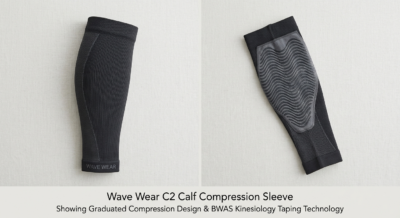
The Core Definition of Calf Compression Sleeves UK
A calf compression sleeve is a tubular elastic garment – typically constructed from a nylon-spandex blend – worn over the lower leg from just above the ankle to just below the back of the knee.
What makes it genuinely therapeutic:
- It applies external mechanical pressure that is greatest at the ankle.
- Pressure decreases progressively toward the top of the sleeve.
- This descending pattern is called graduated compression sleeves – the single feature that separates a therapeutic garment from one that simply feels tight.
- Without a true graduated profile, a sleeve cannot meaningfully assist your circulatory system.
The pressure is measured in mmHg (millimetres of mercury) – the same standardised unit used in clinical blood pressure cuffs and NHS-prescribed compression hosiery.
Why some calf compression sleeves go further than others:
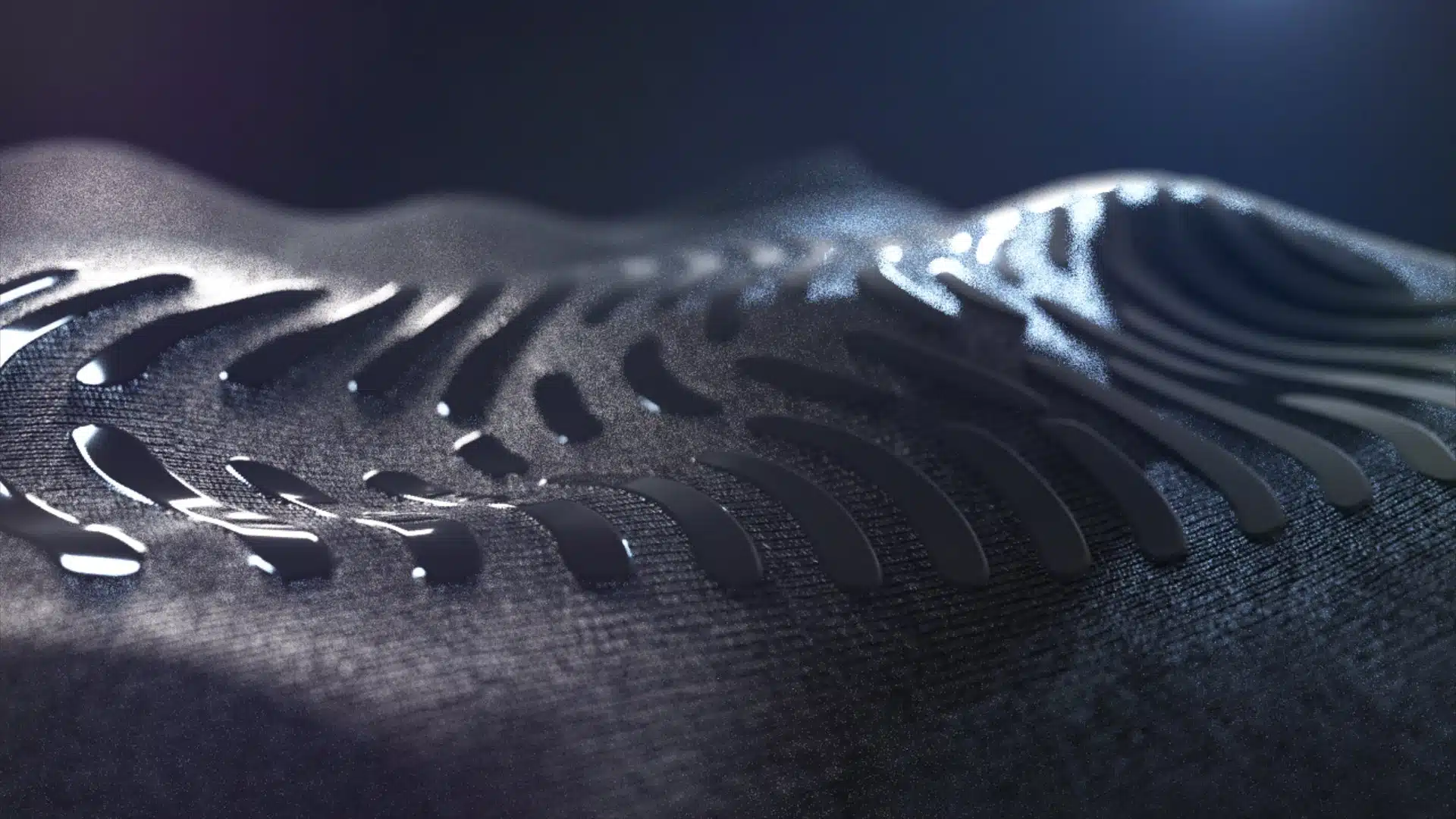
Some advanced options available in the UK combine graduated compression with built-in kinesiology taping technology. Wave Wear’s C2 Calf Compression Sleeve incorporates BWAS™ technology – proprietary adhesive silicone panels woven directly into the inner fabric that deliver an immediate taping effect alongside graduated compression. This combination addresses muscle fatigue, joint support, and tissue recovery in a single garment – which is why it is a favourite among UK Hyrox, CrossFit, and endurance athletes. You can read more about how this technology works on the Wave Wear tech and science.
Calf Compression Sleeve vs. Compression Sock: Which Is Right for You?
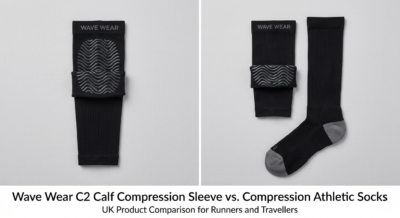
This is one of the most common questions from UK buyers. Here is a direct comparison:
Calf Compression Sleeve – Best For:
- Covers the lower leg only – no foot section included.
- Worn over your own technical running or training socks.
- Preferred by runners, trail athletes, and gym users for breathability and freedom of movement.
- Easier to put on and take off during training or shift work.
- Better suited to sports recovery, shin splint management, and occupational wear during active shifts.
- More practical for athletes who prefer to choose their own technical footwear independently.
Compression Sock – Best For:
- Covers the full foot and lower leg together.
- Provides more complete support for ankle oedema and all-day circulatory management.
- Better suited to long-haul flights, varicose vein management, and situations where worn as a standalone garment.
- Less practical over specialist running footwear or for athletes changing socks mid-session.
The verdict for most UK active adults: For sports injury recovery and athletic performance, a calf compression sleeve is the more practical and comfortable choice. For travel and all-day wear away from sport, a compression sock with foot coverage offers broader circulatory coverage.
The mmHg Scale Explained: Choosing the Right Compression Level UK
The mmHg scale is the single most important factor when choosing a calf compression sleeve in the UK. Here is a full breakdown:
| Compression Level | Classification | Best Used For |
| 8–15 mmHg | Mild | Light daily wear, desk work, gentle short-haul travel. |
| 15–20 mmHg | Moderate | General recovery, long work shifts, mild swelling, shorter flights. |
| 20–30 mmHg | Firm | Running recovery, shin splints, calf strain, long-haul flights. |
| 30–40 mmHg | Medical Grade | Clinician-prescribed only – not for self-selection. |
Key facts about the mmHg scale:
- Research published in the Journal of Sports Sciences confirmed that circulatory benefits only become measurably significant at a minimum pressure of 15–20 mmHg.
- Products sold below this threshold may provide warmth and mild support but cannot meaningfully affect blood flow or reduce swelling.
- Many budget sleeves on UK online marketplaces claim therapeutic benefits without the compression levels required to deliver them.
- Always confirm that a sleeve is explicitly described as graduated – not uniform – before purchasing.
Graduated vs. Uniform Compression: A Critical Distinction
Graduated compression assists venous blood return by applying decreasing pressure from ankle to knee – working with the body’s natural circulatory direction.
Uniform compression applies the same pressure from ankle to knee throughout. It does not assist blood return. Many cheap unbranded sleeves flooding UK online platforms use uniform pressure only.
The result: A sleeve with uniform pressure feels tight but delivers no meaningful therapeutic recovery benefit – no different from a thick walking sock. Always verify the compression type before buying.
How Calf Compression Sleeves UK Support Recovery: The Full Science
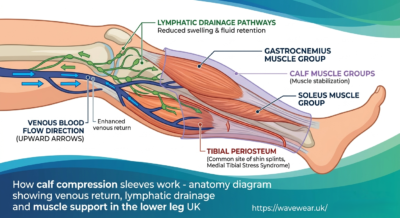
Most articles give you a single vague paragraph about “better circulation.” That is not enough. There are five distinct physiological mechanisms behind how calf compression sleeves work – and each one is relevant to a different recovery scenario.
1. Venous Return and Enhanced Blood Flow
Your veins rely on muscular contractions and one-way valves to push deoxygenated blood back up toward the heart – working against gravity throughout. During fatigue, inactivity, or injury, this system slows down. Blood pools in the lower extremities, veins dilate slightly, and nutrient delivery and waste removal become sluggish.
How graduated compression fixes this:
- Narrows the diameter of superficial veins, increasing blood flow velocity – the same principle as squeezing a garden hose to make water travel faster.
- Provides mechanical assistance to venous valves, reducing the workload on a fatigued circulatory system.
- Delivers oxygenated, nutrient-rich blood to recovering muscle tissue faster.
- Removes metabolic waste products – including CO₂ and inflammatory byproducts – from the lower leg more efficiently.
A 2022 study published in Scientific Reports confirmed that compression-induced improvements in post-exercise recovery were directly associated with enhanced blood flow and were not attributable to placebo effects. Researchers measured physiological markers of venous return and muscle blood flow at intervals throughout a four-hour recovery period and found significant improvements in the compression group at every measurement point.
2. Lymphatic Drainage and Swelling Reduction
The lymphatic system drains excess fluid from the spaces between cells – the interstitial fluid that accumulates when muscles are stressed, inflamed, or injured. When drainage is slow or overwhelmed, the result is that familiar puffiness and heaviness in the lower legs after a long run, a demanding shift, or a long-haul flight.
How compression addresses this:
- Provides gentle, rhythmic external pressure that mechanically stimulates lymphatic vessel activity.
- Encourages interstitial fluid to drain upward rather than pool in the lower leg.
- Reduces post-exercise oedema – the visible and palpable swelling that slows return to training.
- Measurably shortens the time it takes for lower leg tissue volume to return to normal after exercise or prolonged standing.
3. Muscle Oscillation Dampening – The Benefit Most Guides Ignore
During running, every footstrike sends an impact force up through the lower leg. The calf muscles and surrounding soft tissue respond by oscillating – vibrating with each ground contact.
What research found about this vibration:
Research published in Medicine and Science in Sports and Exercise identified that repeated, prolonged exposure to these soft tissue vibrations causes:
- Pain and loss of muscle function over distance.
- Reductions in motor unit firing rates and muscle contraction force.
- Decreased nerve conduction velocity and attenuated sensory perception.
- Progressive accumulation of micro-trauma that contributes to post-run soreness.
How compression sleeves help:
- The sleeve dampens the vibration with each footstrike.
- Calf muscles do not need to work as hard to stabilise themselves between steps.
- Over 10 miles of running, the accumulated reduction in mechanical stress translates directly into less post-run soreness and a faster recovery turnaround.
4. Proprioceptive Enhancement During Rehabilitation
Proprioception is your body’s ability to sense its own position and movement in space – the neurological feedback loop that allows you to land, balance, and adjust your gait without consciously thinking about it.
How compression improves proprioception:
- Stimulates mechanoreceptors embedded in the skin and fascial tissue of the lower leg.
- Amplifies sensory feedback to the central nervous system.
- Improves neuromuscular coordination and balance during movement.
- Helps restore sensory sharpness in an injured limb before tissues are fully healed.
A 2024 systematic review and meta-analysis published in the Annals of the New York Academy of Sciences found consistent evidence of enhanced sensory feedback from compression, particularly in the lower limbs – directly reducing the risk of re-injury during return-to-sport after a calf strain or ankle injury.
You can read more about how kinesiology taping and compression combine to support joint awareness and proprioception in active movement on the Wave Wear technology.
5. Lactic Acid and Metabolic Waste Clearance
The deep aching soreness that settles into your calves 24–48 hours after a hard interval session is largely driven by the accumulation of lactate and other metabolic byproducts in the muscle tissue. Their slow clearance prolongs recovery and delays readiness for the next training session.
How compression accelerates clearance:
- Enhanced venous blood flow transports lactate from muscle tissue to the liver.
- The liver metabolises lactate – either eliminating it or converting it back to glucose for reuse.
- Inflammatory mediators that drive soreness are cleared from the lower leg more rapidly.
- The overall duration of DOMS (delayed onset muscle soreness) is shortened.
What the evidence shows:
- A meta-analysis of twelve controlled trials found a statistically significant moderate effect on reducing DOMS.
- Meaningful improvements in muscle strength and power recovery were recorded across the 24–72 hour post-exercise window.
- A 2022 PMC systematic review confirmed the consistent role of compression in alleviating post-exercise fatigue across diverse athlete populations.
The 24–72 hour window after exercise is when compression has the greatest measurable impact. Apply your sleeve within 30 minutes of finishing, and you are targeting this period directly.
Calf Compression Sleeves UK for Specific Injuries: A Condition-by-Condition Guide
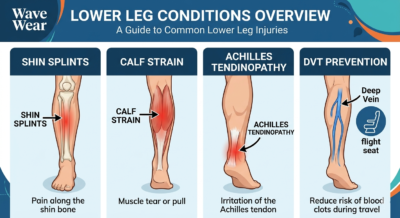
Not all lower leg problems are the same, and calf compression is not equally appropriate for every situation. Here is an honest, evidence-based breakdown for the conditions most relevant to UK active adults.
Calf Compression Sleeves UK for Shin Splints
Shin splints – formally known as medial tibial stress syndrome (MTSS) – is one of the most prevalent running injuries among UK athletes. Research indicates between 5 and 35% of runners will experience it at some point.
Who is most at risk in the UK:
- Runners who have increased weekly mileage too quickly.
- Military recruits and police trainees undergoing high-volume march training.
- Dancers and gymnasts performing repeated jumping and landing movements.
- Athletes transitioning from soft trail surfaces to hard pavements or treadmills.
- New runners with insufficient footwear support or poor running form.
What causes it: Inflammation of the periosteum – the connective tissue membrane surrounding the tibia – caused by repeated mechanical loading. The result is a diffuse aching pain along the inner shin that worsens during exercise and eases with rest, only to return when training resumes.
How calf compression sleeves help shin splints:
- Reduce tibial vibration with each footstrike, limiting micro-trauma accumulation at the periosteal surface.
- Provide compressive support to the tibialis posterior and soleus muscles, reducing tractional stress on the tibial periosteum.
- Limit inflammatory swelling around the periosteum during and immediately after activity.
- Provide proprioceptive feedback that supports improved running mechanics over time.
What to realistically expect: Compression sleeves manage symptoms and allow modified training to continue. They do not address root causes – which typically involve training load errors, biomechanical inefficiencies, or footwear issues. If shin pain persists beyond two weeks despite rest and compression, a physiotherapy assessment is the appropriate next step.
- Recommended compression level: 20–30 mmHg for active shin splint management.
Calf Compression Sleeves UK for Calf Muscle Strains
Calf strains are graded by severity. Compression is appropriate for some grades and contraindicated for others. Understanding the difference is essential before reaching for a sleeve.
Minor Stretch or Micro-Tear:
- The muscle is sore but remains functional.
- No significant bruising or loss of strength.
- Compression is appropriate immediately as a core part of the RICE protocol (Rest, Ice, Compression, Elevation).
Partial Muscle Tear:
- Noticeable pain, bruising, and measurably reduced strength are present.
- Compression can still be used as part of management.
- A physiotherapy assessment is strongly recommended to confirm damage extent and guide rehabilitation.
Complete Muscle Rupture:
- The calf muscle has torn completely – typically the medial gastrocnemius.
- Requires urgent medical attention.
- Compression is NOT appropriate. Applying a sleeve over a complete rupture can increase haematoma formation and significantly worsen the injury.
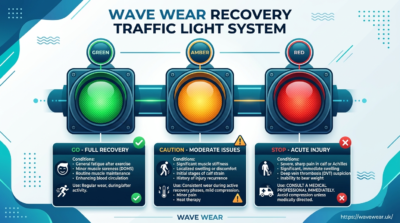
The Wave Wear Recovery Traffic Light – A Quick Decision Guide:
Use this framework to decide whether compression is appropriate for your current situation.
- Green – Use Freely: General post-exercise fatigue, DOMS, Grade 1 strains, long-shift leg ache, post-run swelling, and travel.
- Amber – Use With Caution: Grade 2 strains, post-race inflammation, or swelling without a clearly identified cause. Use compression but seek physiotherapy guidance promptly.
- Red – Seek Medical Advice First: Suspected Grade 3 tear, acute DVT, peripheral arterial disease, open wounds, or active skin infection on the lower leg.
If you are managing an ankle injury alongside a calf strain, Wave Wear’s Ankle Taping Strap provides targeted joint support that pairs effectively with the C2 calf sleeve during multi-area lower limb rehabilitation.
Calf Compression Sleeves UK for Achilles Tendinopathy
Achilles tendinopathy is a persistent, load-related condition affecting the Achilles tendon – the thick cord connecting the calf muscles to the heel bone. It is notoriously slow to resolve and one of the most frustrating injuries for UK recreational runners to manage.
How calf compression sleeves help:
- Support the musculotendinous junction – the transition zone between the calf muscle belly and tendon – reducing mechanical load on an irritated tendon.
- Provide proprioceptive feedback that helps maintain optimal lower limb alignment during rehabilitation exercises.
- Limit secondary swelling around the Achilles that worsens pain during early and mid-stage recovery.
- Reduce compensatory muscle activation patterns that can drive further tendon irritation.
The rehabilitation pairing most guides miss: UK physiotherapists routinely recommend combining a calf compression sleeve with the eccentric heel drop protocol – a rehabilitation exercise in which you slowly lower your heel below a step using only the calf of the affected leg. Wearing a sleeve during these exercises reduces the load on an irritated tendon and improves sensory accuracy during the movement – an evidence-backed combination used widely in NHS physiotherapy practice.
Calf Compression Sleeves UK for DVT Prevention During Travel
Deep vein thrombosis (DVT) is a blood clot that forms in a deep vein, most commonly in the lower leg. Long-haul flights create conditions that actively promote clot formation.
Why long-haul flights increase DVT risk:
- Prolonged immobility in a confined seat throughout the flight.
- Reduced cabin air pressure lowering oxygen tension in the blood.
- Mild dehydration from recirculated cabin air over several hours.
- Sustained compression sleeves of the popliteal vein behind the knee in economy seating.
What the research shows: A Cochrane systematic review – one of the most rigorous forms of medical evidence available – pooled results from nine randomised controlled trials involving 2,821 participants:
- Graduated compression reduced symptomless DVT from approximately 10 per 1,000 passengers to 1 per 1,000 in low-risk travellers.
- In high-risk passengers, the reduction was from roughly 30 per 1,000 to 3 per 1,000 – a 90% relative risk reduction.
- The NHS, Cambridge University Hospitals NHS Foundation Trust, and the West Suffolk NHS Foundation Trust all recommend below-knee graduated compression (15–30 mmHg) in their published DVT prevention guidance for long-distance travel.
Who is at elevated DVT risk during travel:
- Passengers over 60 years of age.
- Recent surgery patients (within 12 weeks).
- Those with a previous DVT or pulmonary embolism.
- Pregnant women and those within 12 weeks of giving birth.
- People with obesity (BMI over 30).
- Those taking combined oral contraceptives or hormone replacement therapy.
Important: If you have already been diagnosed with DVT, do not self-manage with a sports-grade compression sleeve. Medical-grade prescribed compression is required. Consult your GP or haematologist before flying.
Calf Compression Sleeves UK for Post-Exercise Recovery and DOMS
For the majority of UK runners and gym-goers, post-exercise DOMS recovery is the most practical everyday use case for a compression sleeve.
What DOMS actually is:
- DOMS peaks 24–72 hours after intense or unfamiliar exercise.
- It is caused by microscopic muscle fibre damage and resulting localised inflammation – not by lactic acid (a persistent myth sports science has largely debunked).
- What compression addresses is the inflammation itself, the swelling it creates, and the metabolic waste accumulating in damaged tissue.
What the recovery evidence shows:
- A meta-analysis of twelve controlled trials found a statistically significant moderate effect on reducing DOMS.
- Improvements in muscle strength and power recovery were recorded across the 24–72 hour post-exercise window.
- A 2022 PMC systematic review confirmed the consistent role of compression in alleviating post-exercise fatigue and muscle damage recovery across diverse athlete populations.
- Athletes who wore compression post-activity returned to pre-exercise performance levels faster than those who did not.
The timing rule that matters most: Apply your sleeve within 30 minutes of finishing exercise and wear it for 2–4 hours. This is the window when inflammatory activity is at its peak and compression delivers its highest measurable impact.
Calf Compression Sleeves UK for NHS Workers, Retail, and Hospitality Professionals
This is a population chronically underserved by compression marketing in the UK, despite having some of the highest daily need of any active group.
Who this applies to:
- NHS nurses, paramedics, and theatre staff on 10–13 hour clinical shifts.
- Teachers and school staff spending the majority of the day standing.
- Retail workers, shop assistants, and supermarket staff on full-day floor shifts.
- Restaurant, café, and hospitality workers on their feet through peak service.
- Hairdressers and beauty professionals standing throughout the working day.
What happens to legs during extended standing:
- Venous pooling in the lower legs becomes significant throughout the day.
- End-of-day ankle swelling develops and becomes progressively uncomfortable.
- Long-term risk of varicose vein development and chronic venous insufficiency increases substantially compared to desk-based workers.
- Lower leg fatigue slows reaction time and contributes to musculoskeletal strain elsewhere in the body.
Compression at 15–20 mmHg during occupational shifts provides measurable reduction in lower limb oedema and fatigue. For NHS nurses in particular, a calf sleeve worn over clinical footwear is more practical and hygienic than a full compression sock throughout a rotating shift. View the Wave Wear collections for men and women to find sleeves suited to both performance and all-day occupational use.
How to Choose the Best Calf Compression Sleeve in the UK: The Complete Buying Guide
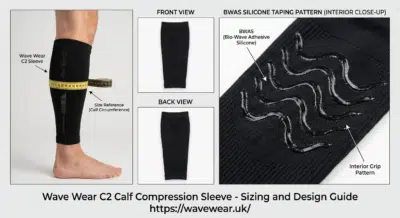
Understanding exactly what separates a calf compression sleeve that actively supports your recovery from one that merely looks the part comes down to five specific factors.
Step 1 – Identify Your Compression Recovery Profile
Before browsing products, identify which of these three profiles most accurately describes how you intend to use the sleeve.
The Casual Mover:
- Exercises a few times per week with a largely desk-based working life.
- Experiences occasional leg fatigue or mild swelling by the end of the day.
- Priority is comfort and all-day wearability without restriction.
- Target range: 15–20 mmHg.
The Active Athlete:
- Trains regularly – running, cycling, Hyrox, CrossFit, or gym-based training four or more times per week.
- Recovery speed between sessions directly affects training quality and performance.
- Priority is graduated precision, performance-grade materials, and consistent UK sizing.
- Target range: 20–30 mmHg.
The Injury Recoverer:
- Currently managing a specific condition: shin splints, calf strain, Achilles tendinopathy, or post-race inflammation.
- May be working alongside a physiotherapist or sports medicine practitioner.
- Priority is consistent, reliable therapeutic pressure and structural support throughout the day.
- Target range: 20–30 mmHg, ideally confirmed by a physiotherapist.
Step 2 – Choose the Right mmHg Compression Level
The single most important purchasing rule: Do not assume higher compression equals better results.
A sleeve that is too tight for your current activity level is not working harder – it is working incorrectly.
Risks of wearing the wrong compression level:
- Too tight: Can restrict arterial blood flow, cause numbness, tingling, or skin discolouration, and worsen pain rather than reduce it.
- Too loose: Loses its graduated pressure profile entirely and delivers no meaningful therapeutic benefit.
- Wrong type (uniform, not graduated): Works against the body’s circulatory direction and provides no recovery value regardless of how it feels.
Match the pressure to the purpose. Match the purpose to your current recovery needs.
Step 3 – Measure Your Calf for the Correct UK Size
Compression only performs correctly when the fit is accurate. A poorly fitted sleeve is either ineffective or counterproductive.
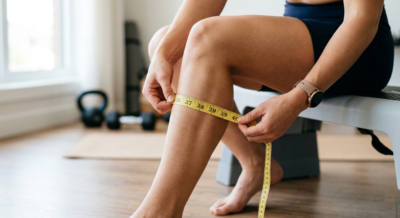
How to measure your calf correctly – step by step:
- Use a soft fabric tape measure – not a rigid ruler or plastic tape.
- Stand upright in bare feet, mid-morning if possible – legs are measurably less swollen at this time than in the evening.
- Measure the circumference of the widest part of your calf in centimetres – typically 10–15 cm below the back of the knee.
- Take the measurement twice and use the larger of the two readings.
- Cross-reference your measurement with the sizing guide on the Wave Wear calf compression sleeve product.
- If between sizes: Size down for sports performance use; size up for all-day occupational or travel wear.
Common sizing mistakes UK buyers make:
- Measuring the ankle instead of the widest calf circumference.
- Using shoe size as a sizing proxy – it is entirely irrelevant to calf fit.
- Assuming a generic “medium” fits without measuring – calf circumference varies enormously between people of the same height and overall build.
- Purchasing EU-sized sleeves without converting measurements – European sizing conventions differ from UK standards and can result in a size difference of one to two bands in either direction.
Step 4 – Evaluate the Sleeve Materials
Different materials serve different use cases. Understanding these properties before buying prevents discovering the wrong choice mid-run.
| Material | Key Properties | Best For |
| Nylon/Spandex Blend | Lightweight, moisture-wicking, precise graduated profile. | Running, cycling, gym recovery. |
| Copper-Infused Nylon | Antimicrobial, odour-resistant, durable through repeated washing. | All-day occupational and shift wear. |
| Merino Wool Blend | Naturally insulating, antimicrobial, breathable in variable weather. | UK winter running, hill walking, hiking. |
| Bamboo Blend | Ultra-soft, hypoallergenic, naturally temperature-regulating. | Sensitive skin and post-surgical recovery wear. |
For most UK runners and athletes: A nylon-spandex blend is the practical first choice. It manages moisture effectively – important in the UK’s persistently damp climate – maintains its graduated compression profile through repeated washing cycles, and offers sufficient durability for regular training without losing structural integrity.
Step 5 – Assess Construction Quality Markers
When examining any calf compression sleeve, look for these specific details:
- Flatlock or seamless stitching – reduces blister and chafing risk on long runs, particularly where seams cross the shin and the back of the knee.
- Non-slip silicone grip band at the top – the single construction feature that prevents the sleeve rolling down during activity. Rolling is the most commonly cited complaint in UK runner reviews of budget compression sleeves and is entirely preventable with proper construction.
- Reinforced ankle panel – provides structural integrity at the highest-pressure zone, which absorbs the most mechanical stress during foot flexion and extension.
- Consistent elastic density throughout – uneven compression zones in poorly manufactured sleeves create localised pressure points that cause tissue stress rather than distributing it evenly.
What makes Wave Wear’s C2 Calf Compression Sleeve different:
The Wave Wear C2 Calf Compression Sleeve incorporates BWAS™ technology – proprietary adhesive silicone taping strips embedded in the inner fabric that provide an immediate kinesiology taping effect alongside graduated compression. Lab-tested results show this combination reduces muscle fatigue by up to 35% more than compression alone. For athletes managing shin splints, calf fatigue during Hyrox, or post-run soreness, this dual-action approach delivers a meaningfully different recovery outcome compared to standard compression sleeves.
Explore the full range on the Wave Wear best sportswear to find the right compression product for your specific sport or recovery need.
UK-Specific Buying Consideration: VAT Relief
This is something almost no compression sleeve guide mentions – and it is genuinely useful for the right reader.
In the UK, compression garments prescribed for medical conditions – including diagnosed chronic venous insufficiency or DVT – may qualify for VAT relief under HMRC guidelines for disabled or chronically sick individuals. If purchasing for a diagnosed medical condition, ask your GP about a formal prescription. For sports recovery and general occupational use, standard UK VAT applies.
How to Use Calf Compression Sleeves UK Correctly: Application, Timing, and Duration
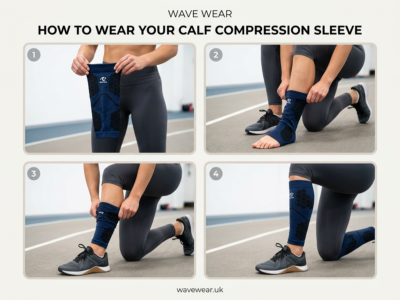
Buying the right sleeve is only half the equation. How and when you wear it determines whether you get the full recovery benefit.
How to Apply a Calf Compression Sleeve – Step by Step
Putting on a compression sleeve incorrectly leads to two specific problems:
- The sleeve sits in the wrong position and delivers inconsistent pressure across the calf.
- The sleeve rolls down the moment you start moving, defeating the purpose entirely.
Follow these steps every time:
- Ensure the lower leg is clean and completely dry before application – moisture reduces grip and allows the sleeve to migrate downward.
- Turn the sleeve inside out from the top band down to the ankle cuff, so it bunches entirely at the ankle.
- Step into the ankle section and position the lower band just above the ankle bone.
- Slowly roll the sleeve upward toward the knee – do not pull sharply, as this distorts the graduated compression zones.
- Position the top band 2–3 cm below the back of the knee – never on the popliteal fossa, where the major vessels and nerves of the lower leg run.
- Smooth out any wrinkles or bunching – a creased sleeve creates uneven pressure points that work against the graduated compression principle.
- Fit check: Slide two fingers under the top band without forcing them. The sleeve should feel firmly supportive throughout – tightest at the ankle, easing gradually toward the knee.
When to Wear Your Calf Compression Sleeve: A UK Athlete’s Timing Guide
The recovery benefit of a compression sleeve is not uniform throughout the day. The window in which you apply it makes a significant difference to your outcome.
Before Activity:
- Put the sleeve on 20–30 minutes before exercise.
- Prepares muscle fascia and improves proprioceptive readiness.
- Particularly valuable for runners returning from injury or prone to shin tightness in the early kilometres of a run.
- Reduces the warm-up period needed for tight calf muscles in cold UK weather.
During Activity:
- Beneficial for runs over 10 kilometres, hikes over two hours, and sustained occupational standing throughout a full working shift.
- Primary benefit during activity is reducing muscle oscillation and fatigue accumulation – not active recovery.
- Supports consistent muscle activation and reduces gait compensation on tired legs.
Immediately Post-Exercise – The Priority Recovery Window:
- The 0–2 hours after finishing exercise represent the period of highest inflammatory activity.
- Apply your sleeve within 30 minutes of finishing – even before your post-run shower.
- Wear it for 2–4 hours for optimal metabolic clearance and swelling reduction.
- This is the single most impactful timing decision you can make with a compression sleeve.
During Travel:
- Apply before boarding the plane or coach rather than once seated.
- The circulatory benefit begins immediately – you want maximum coverage during boarding and taxiing.
- Combine with ankle rotation exercises every 30–45 minutes of seated time.
- Walk the cabin whenever the seatbelt sign is off.
Overnight:
- Not recommended as a routine practice without specific clinical guidance.
- The body’s horizontal position during sleep already assists venous return without the need for external compression.
- If a clinician or physiotherapist has specifically prescribed overnight wear, follow their protocol precisely.
How Long to Wear Your Calf Compression Sleeve Per Session
| Use Case | Recommended Duration |
| Post-exercise recovery | 2–4 hours after finishing activity. |
| Occupational or travel use | Full shift or journey duration, with short breaks where practical. |
| Shin splint or calf strain management | As directed by your physiotherapist. |
| Long-haul flight | Full flight duration – apply before boarding. |
The Wave Wear Four-Phase Compression Stacking Protocol
For UK athletes looking to compound their recovery after a hard race, a long run beyond 15 miles, or a demanding Hyrox or CrossFit competition, compression works best as part of a sequenced, structured approach.
Phase 1 – 0 to 20 Minutes Post-Exercise:
- Apply cold water immersion or targeted ice to the affected area.
- This acutely reduces inflammatory signalling and limits the initial onset of tissue swelling.
- Do not apply the compression sleeve yet – let the cold complete its initial work first.
Phase 2 – 20 to 30 Minutes Post-Exercise:
- Apply your calf compression sleeve.
- The post-cold window amplifies compression’s effect on metabolic clearance – the tissue is primed and ready for active circulatory support.
Phase 3 – During Sleeve Wear:
- Elevate the legs above heart level where practical – rest them against a wall or prop them on a chair.
- Gravity now works with the sleeve rather than against it, accelerating venous drainage without additional effort.
Phase 4 – Before Removing the Sleeve (2–4 Hours Later):
- Perform light foam rolling of the upper calf muscle belly only – not the shin, not the Achilles, and never acutely inflamed tissue.
- Skip this phase entirely during the first 48 hours after a strain or significant impact.
How to Care for Your Calf Compression Sleeve UK: Washing and Lifespan Guide
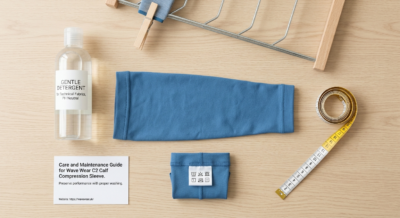
A quality calf compression sleeve cared for correctly will withstand up to 100 wash cycles before elastic fatigue becomes significant enough to affect compression accuracy. Most users dramatically shorten this lifespan through a small number of easily avoidable habits.
Washing Instructions
- Machine wash in cold water – maximum 30°C on a gentle or delicates cycle.
- Warm or hot water degrades the elastane fibres that maintain the graduated compression profile.
- Use a mild, non-biological detergent.
- Never use fabric softener – it progressively coats synthetic fibres and reduces moisture-wicking performance.
- Turn the sleeve inside out before washing to preserve the external compression surface.
Drying Instructions
- Air dry flat or hanging at room temperature – never in a tumble dryer.
- Never dry over a radiator. In the UK, where radiator drying is a common household habit, this needs extra emphasis. Radiator heat breaks down elastane just as effectively as a tumble dryer – simply more gradually.
- Use a clothes airer away from direct heat sources.
- Allow the sleeve to dry fully before wearing again – wearing a damp sleeve accelerates elastic breakdown and increases skin irritation risk.
Storage Instructions
- Roll the sleeve rather than fold it.
- Folding creates permanent crease lines at fold points, causing uneven pressure distribution in those zones over time.
- Store in a cool, dry location away from prolonged direct sunlight, which degrades elastic fibres gradually.
When to Replace Your Calf Compression Sleeve
The signs that a sleeve has reached the end of its therapeutic life:
- It bags at the ankle rather than sitting snugly against the skin.
- It migrates down the calf during running or walking when it previously stayed in position.
- The fabric is visibly pilled, bobbled, or breaking down in appearance.
- It no longer feels noticeably tighter at the ankle than at the top – the graduated profile has been lost.
- It takes noticeably more effort to roll on than it did when new.
Replacement guide by usage frequency:
| Usage Frequency | Recommended Replacement Interval |
| Daily use | Every 4–6 months. |
| Training 3–4 times per week | Every 6–9 months. |
| Occasional use | At the 100-wash milestone or 12–18 months, whichever comes first. |
Who Should Use Calf Compression Sleeves in the UK – And Who Should Not
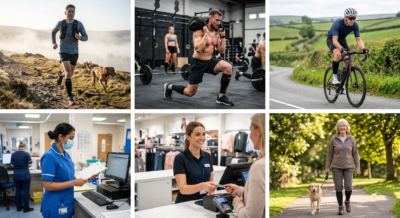
Who Benefits Most from Calf Compression Sleeves UK
UK Runners and Endurance Athletes
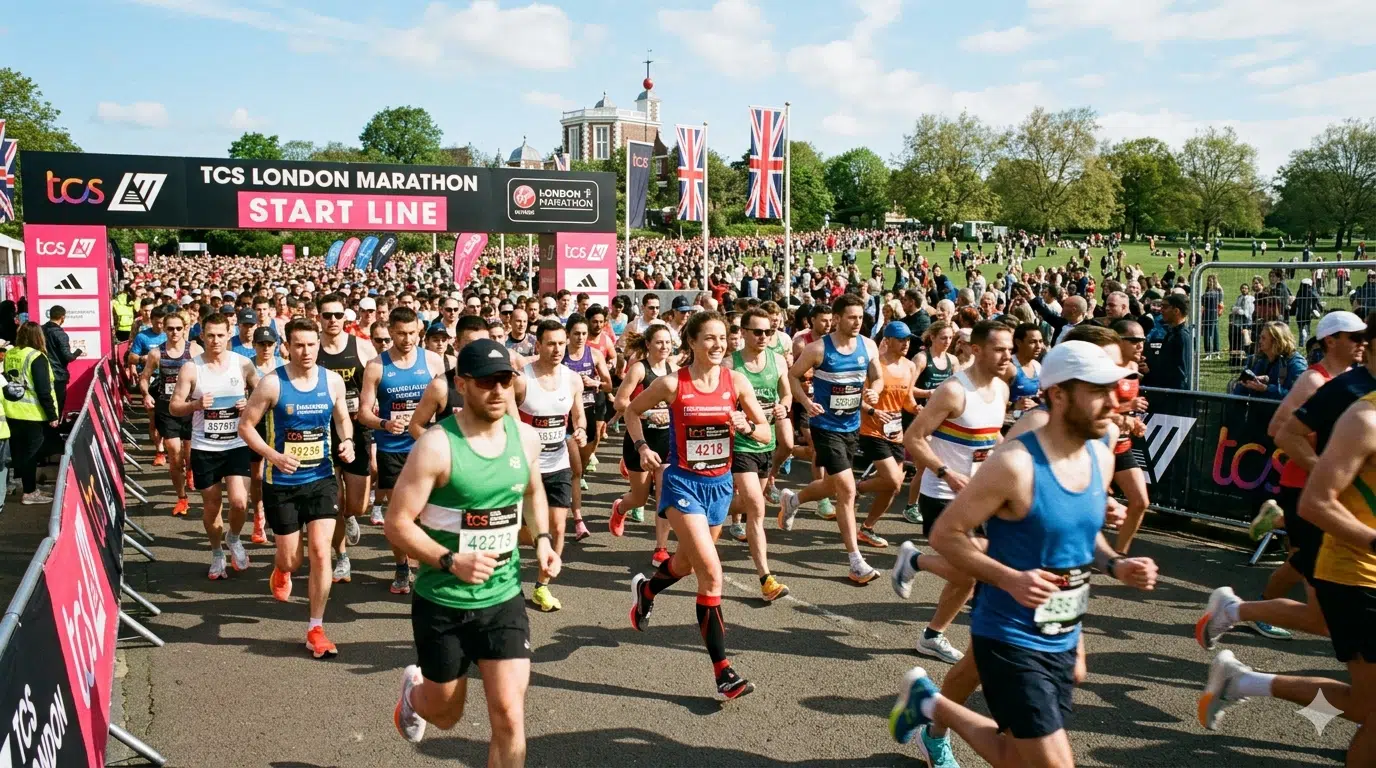
From parkrun regulars to those training for the London Marathon, runners benefit in two critical areas:
- Reducing lower leg micro-trauma accumulation across a training block.
- Shortening recovery time between sessions so quality training can be sustained consistently.
Explore the Wave Wear calf compression range for women and men – including the C2 Recovery & Support Sleeve designed specifically for running performance and endurance recovery.
Hyrox and CrossFit Athletes
High-intensity functional fitness places repeated mechanical demand on the lower leg. Calf compression sleeves reduce muscle oscillation during running and plyometric phases, supporting performance consistency across a full Hyrox competition day.
Cyclists
Both road cyclists and commuters experience significant calf fatigue and ankle oedema after extended rides. The non-weight-bearing nature of cycling means the calf muscle pump is less active during the activity, making post-ride compression particularly valuable.
Frequent Flyers and Long-Distance Travellers
For flights over four hours – particularly in economy class – graduated compression at 15–20 mmHg is a simple, low-cost protective measure supported by NHS guidance and Cochrane-level evidence.
NHS and Healthcare Workers
Nurses, paramedics, theatre assistants, and other clinical staff spending 10–13 hours on their feet represent one of the highest-need groups for daily compression use in the UK.
Retail, Hospitality, and Teaching Professionals
Shop workers, teachers, waiting staff, and hairdressers spending extended periods on hard surfaces are at real long-term risk of chronic venous insufficiency. This group is almost entirely overlooked in mainstream compression marketing.
Active Over-50s
Venous valve efficiency declines naturally with age. For people over 50 who remain active – runners, walkers, cyclists, gardeners – compression becomes progressively more valuable as a circulatory support tool.
Post-Injury Rehabilitation Patients
Anyone working through a Grade 1–2 calf strain, shin splints, or Achilles tendinopathy under physiotherapy guidance will benefit from the proprioceptive enhancement, swelling control, and circulatory support that a correctly fitted compression sleeve provides.
When to See a Doctor Before Using Calf Compression Sleeves
Do not use a calf compression sleeve without medical guidance if you have any of the following:
- Peripheral arterial disease (PAD): Compression can critically restrict already compromised arterial blood flow in the lower limb.
- Diagnosed or suspected acute DVT: Requires medically prescribed and fitted compression – not a sports-grade sleeve chosen independently.
- Severe congestive heart failure: Increasing venous return volume places additional workload on a heart that is already struggling.
- Peripheral neuropathy: Reduced lower leg sensation makes it impossible to detect dangerous pressure levels – removing the body’s primary safety signal.
- Active skin infections, open wounds, or severe dermatitis on the lower leg.
- Suspected Grade 3 complete calf muscle tear: Compression can increase haematoma formation and significantly worsen the injury.
If you are unsure whether compression is appropriate for your specific situation, a brief consultation with your GP or a registered physiotherapist will provide a clear answer. You can also reach the Wave Wear team directly through the Wave Wear contact with any product-specific questions.
Frequently Asked Questions
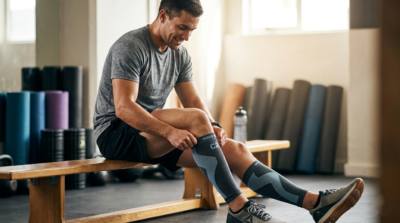
Do calf compression sleeves really work?
Yes. A meta-analysis of twelve controlled trials found a statistically significant moderate effect on reducing post-exercise muscle soreness, with faster restoration of strength and power in the 24–72 hours following exercise. Benefits are strongest when compression is applied within 30 minutes of finishing activity at a minimum of 15–20 mmHg.
What is the difference between compression sleeves and compression socks?
A calf sleeve covers the lower leg only and is worn over your own sock – better for sports recovery, running, and shift work. A compression sock covers the full foot and lower leg – better for long-haul travel and all-day varicose vein management. For most athletes, a sleeve is the more practical choice.
What mmHg should calf compression sleeves be for running?
For most UK runners, 20–30 mmHg is the appropriate range. Recreational runners can use 15–20 mmHg for post-run recovery. Those training for half marathons, marathons, or ultramarathons, or managing shin splints, should use 20–30 mmHg. Research confirms venous return benefits become clinically meaningful at a minimum of 15 mmHg.
How long should you wear a calf compression sleeve after running?
Wear your sleeve for 2–4 hours after running. Apply it within 30 minutes of finishing to target the acute inflammatory window – when compression has the greatest measurable impact on swelling reduction and metabolic waste clearance. Avoid overnight wear unless specifically directed by a physiotherapist.
Can you wear calf compression sleeves all day?
Yes. Most healthy adults can wear calf compression sleeves at 15–20 mmHg throughout the day comfortably. This level is used for full NHS shifts, long-haul flights, and all-day retail work. At 20–30 mmHg, full-day wear is well tolerated but brief breaks every 2–3 hours are sensible where practical.
Should you size up or down in calf compression sleeves?
Always measure the widest circumference of your calf in centimetres – do not rely on general clothing sizes. Size down for sports performance use to maximise graduated pressure; size up for all-day occupational wear to prioritise comfort. Check Wave Wear’s sizing guidance on the product before ordering.
Do calf compression sleeves help with shin splints?
Yes. Compression sleeves reduce tibial vibration, limit inflammatory swelling around the periosteum, and provide proprioceptive support to the muscles that load the shin during running. 20–30 mmHg is the most effective range for active shin splint management. For lasting resolution, address training load and biomechanical factors with a physiotherapist.
When should you not wear a calf compression sleeve?
Do not wear a calf compression sleeve if you have peripheral arterial disease, a diagnosed or suspected acute DVT, severe heart failure, peripheral neuropathy, open wounds or active skin infection on the lower leg, or a suspected Grade 3 complete calf muscle tear. In any of these cases, see a GP or physiotherapist before using any form of compression.
Are calf compression sleeves good for varicose veins?
Sports-grade compression sleeves at 15–20 mmHg can ease the aching and heaviness of mild varicose veins by reducing venous pooling. They are not a treatment and will not reverse venous damage. For diagnosed varicose vein conditions, medical-grade compression at 30–40 mmHg is typically prescribed by a GP or vascular specialist.
Can calf compression sleeves cause blood clots?
No. Correctly fitted graduated compression sleeves are clinically evidenced to reduce DVT risk by improving venous blood flow velocity. A risk would only arise from a sleeve that is far too tight – which is why correct sizing is essential. Never use a sports-grade sleeve if you already have a diagnosed DVT without medical guidance.
Closing Thoughts: Why Calf Recovery Starts With the Right Compression
Your calves are the most mechanically loaded muscle group in the body relative to their size. Every step places approximately 1.5 times your body weight through the lower leg. Every kilometre you run multiplies that loading by hundreds of individual footstrikes. Every hour spent standing adds to the cumulative demand on your venous system to keep blood moving against gravity without slowing.
Given that reality, a well-chosen calf compression sleeve is less of a performance accessory and more of a fundamental maintenance tool.
What this guide has given you that most guides do not:
- Why graduated compression specifically matters – and why uniform-pressure sleeves deliver no real therapeutic benefit.
- The five physiological mechanisms behind how compression actually works – including muscle oscillation dampening and proprioceptive enhancement, which most guides ignore entirely.
- A clear, tiered buying framework – the Recovery Profile, the Traffic Light, and the Compression Stacking Protocol – so the right decision is straightforward, not guesswork.
- An honest contraindications section – because good information includes when compression is not appropriate, not just when it is.
- Practical care and sizing guidance specific to UK buyers – including the VAT relief tip almost no other guide mentions.
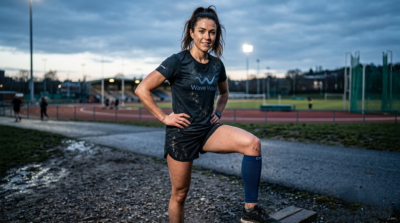
If you are looking for a calf compression sleeve in the UK that goes beyond standard graduated compression – combining the recovery benefits of compression with the performance benefits of built-in kinesiology taping – the Wave Wear C2 Calf Compression Sleeve is built precisely for that. Explore the full range for men and women, read more about how the BWAS™ taping technology works on the Wave Wear tech, or visit the Wave Wear blog for more performance and recovery guides. For any product questions, the Wave Wear team is available to help directly.